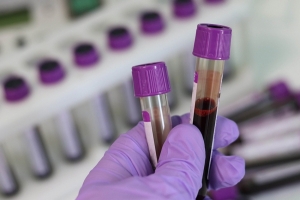

Alcohol and Hepatic System
Excessive alcohol consumption damages nearly every organ in the body. However, the liver suffers the earliest and most severe degrees of tissue injury due to excessive alcohol consumption, as it is the organ responsible for almost all ethanol metabolism (1). In this text, we will explore how the liver is affected by harmful alcohol consumption.
The liver's function
Normal liver function is essential for life. The liver is the largest internal organ in the human body and, in some aspects, the most complex. One of its main functions is to break down toxic substances absorbed from the intestine or produced in other areas of the body, and then excrete them via bile or blood as harmless by-products.
Additionally, the liver secretes bile into the small intestine to aid in the digestion and absorption of fats, stores vitamins, synthesizes proteins and cholesterol, metabolizes and stores sugars. The liver controls blood viscosity and regulates clotting mechanisms (2).
Alcoholic liver disease
One study estimated that 23.6 million people worldwide have alcohol-associated cirrhosis, with approximately 10% of these cases being decompensated disease (3). However, the true burden of alcoholic liver disease is likely underestimated, as it is often undiagnosed.
There is a clear amount-dependent relationship between the amount of alcohol consumed and the risk of severe liver disease. A meta-analysis demonstrated that even very low levels of alcohol consumption increase the risk of cirrhosis-related mortality. This risk is heightened with increased consumption, with men and women who consume more than 60 grams of alcohol per day having a 14 and 22.7 times greater risk, respectively, of cirrhosis-related death compared to non-drinkers (4).
How alcohol affects liver metabolism (5)
When consumed in excess, alcohol interferes with an enzyme called AMPK, which normally helps regulate fat metabolism. AMPK activates another protein, PPARα, which is important for fatty acid burning. Alcohol inhibits AMPK, resulting in reduced fat burning by the liver. Additionally, alcohol damages mitochondria, the cell's "energy factories," which also reduces the liver's ability to burn fats.
Alcohol also increases fatty acid production in the liver. Furthermore, alcohol consumption reduces the production of adiponectin, a hormone that helps control fat levels, and increases the release of fatty acids from body fat deposits.
On the other hand, alcohol inhibits the secretion of fatty acids by the liver, further contributing to fat accumulation in the organ. It also affects various cellular signaling pathways, including those associated with inflammation and regulation of autophagy (cellular cleaning process). These changes contribute to the progression of alcoholic fatty liver disease, a condition characterized by excessive fat accumulation in the liver.
Additionally, alcohol can cause an imbalance in gut bacteria, worsening liver disease. This imbalance increases ethanol metabolism in the intestine and causes intestinal dysfunction. Bacteria and toxins can enter circulation and reach the liver, activating an inflammatory pathway called NFκB. The pro-inflammatory cytokines released in this process contribute to inflammation and fibrosis in the liver. Alcohol also favors necrosis (uncontrolled cell death) over apoptosis (programmed cell death), which can further aggravate the liver condition.
Types of alcohol-induced liver damage
In individuals who abuse alcohol, the most common liver diseases encountered are:
How alcohol damages the liver?
Alcohol damages the liver through various mechanisms, and not all alcoholics develop liver problems regardless of the amount consumed. Genetic factors may influence the predisposition to cirrhosis, with collagen synthesis in the liver being affected by the activation of specific genes (5). Genetic variations in enzymes that metabolize alcohol, such as the ALDH gene, can also increase susceptibility to liver damage. Alcohol metabolism generates free radicals and acetaldehyde, which cause cellular damage in the liver (7).
Women are more susceptible to cirrhosis with lower accumulated doses of alcohol due to lower gastric ADH activity and differences in fatty acid metabolism (1,5,8). Additionally, nutrition interacts with alcohol toxicity, exacerbating liver damage. Infection with hepatitis C virus also increases the risk and progression of liver injuries in alcoholics (3). In summary, intense and chronic alcohol consumption predisposes individuals to liver diseases, but only a portion of them develop hepatitis or cirrhosis due to the influence of factors such as heredity, gender, diet, and comorbidities. Most alcohol-induced liver injuries result from its metabolism and toxic by-products. Continuous research is essential to better understand these mechanisms and develop effective treatments to improve prevention and management of alcoholic liver diseases.
References:
Do low or zero alcohol beers benefit wealthier people more?
While the increased availability of low or zero alcohol products may be a useful tool in reducing overall alcohol consumption among the more affluent sectors of society, it may be less beneficial for the rest of the population.
Alcohol consumption is among the leading factors contributing to health deterioration and premature death (1). In response to this, the World Health Organization (WHO) has set a target in the Global Action Plan on Alcohol 2022-2030 to achieve at least a 10% relative reduction in per capita alcohol consumption among those aged 15 and older by 2030 (2). Recently, this issue has gained increased attention from policymakers and global alcohol markets. However, there are doubts about its potential to reduce alcohol consumption across all sectors of society (3).
Evidence indicates that the choice of lower alcohol products is often driven by previous consumption of higher alcohol content products from the same brand (4). Other studies suggest that factors such as health and well-being, price differences, and reducing the social stigma associated with alcohol-free beverages also influence purchasing decisions and consumption of zero and low alcohol beers (5).
One study used data from British surveys conducted between 2015 and 2018, as well as household purchase data from 2015 to 2020 (6). The analysis used this data to understand consumption and purchasing patterns of low and zero alcohol beers. It included information on purchase frequency, demographic characteristics of buyers such as age, gender, social class, income, and geographical region. Additionally, household purchase data were analyzed to observe trends over time and examine variations in total ethanol consumption resulting from the introduction of these products into the market.
The study's results showed that the introduction of new low and zero alcohol beers was associated with a reduction in ethanol grams purchased, both among beer buyers and purchasers of all other beverages. Specifically, younger households and individuals from higher socioeconomic classes were more likely to purchase and consume these beers, given their higher price compared to products with higher ethanol content.
According to the study, although there is a growing trend in current purchases and consumption of low alcohol and/or alcohol-free beers, such products could only make a small contribution to efforts to reduce alcohol consumption, as they are still not very popular among the less advantaged sectors of society. Therefore, the study's authors emphasize the importance of implementing structural policies that improve the socioeconomic outlook for the entire population, alongside promoting low and zero alcohol products.
References:
I want to drink less, but how?
Preventing excessive alcohol consumption is a strategy that significantly contributes to reducing the social impacts and damage to physical health that this pattern of consumption is responsible for.
The impact of harmful alcohol use is of great relevance in different areas: individual, family, social and economic. The World Health Organization (WHO) suggests some strategies to reduce the harmful use of alcohol globally, such as, for example, monitoring this use, greater control and supervision over sales to children and adolescents, increasing the ability of the healthcare system to identify drinkers with problematic use and care for dependents and family members.
In addition to broad global strategies, there are clinical strategies that we can implement in everyday life to prevent excessive alcohol consumption. The United States Center for Disease Control and Prevention suggests some actions that can contribute to this prevention, such as:
We can also point out strategies such as: setting goals, if you decide to consume alcohol, defining the day and the amount you want to drink; identify what triggers your desire to drink; know your limits and learn to say no; pay attention to the alcohol content of the drinks you drink, especially those containing mixes; and reflect on where and why you usually drink, making alcohol consumption more conscious. Practicing activities and going to places that do not combine alcohol, such as sports, parks or cinema, can help reduce the desire to drink.
If you realize that you are drinking excessively and want to reduce your alcohol consumption, whether for health or personal reasons, an important step has already been taken. The important thing now is to define the best strategy for your case. Talk to your doctor or a healthcare professional for help.
References:
Ryan, S. M., Jorm, A. F., Kelly, C. M., Hart, L. M., Morgan, A. J., & Lubman, D. I. (2011). Parenting strategies for reducing adolescent alcohol use: a Delphi consensus study. BMC public health, 11, 13. https://doi.org/10.1186/1471-2458-11-13
Guidelines for the safety of bartenders and other professionals who work with alcoholic beverages
Professions that involve frequent interaction with alcoholic beverages face unique challenges related to alcohol consumption. For these professionals, alcohol is constantly present in the work environment, which can increase the risk of harmful use.
Daily familiarity with alcohol in the routine of some professions can lead to a distorted perception of what constitutes safe and moderate consumption, increasing the risk of developing harmful drinking habits. This may be the case for bartenders, waiters, sommeliers, and other professionals for whom alcohol is part of their work routine. This constant exposure can make it difficult for individuals to recognize and admit possible alcohol-related problems, given the normalization of its consumption in the context of their work.
A study published in 2022, analyzing more than 300 bartenders, revealed that 39% of participants exhibit harmful alcohol consumption and 43.6% report moderate to severe use, which may indicate alcohol dependence. The research shows that, in the case of these professionals, working more than 40 hours a week contributes significantly to the increase in alcohol consumption, with men and individuals between 26 and 40 years old showing greater problematic use when compared to other age groups.
There are no official safety guidelines for alcohol consumption among these professionals in Brazil. However, we can list some protection measures that can be effective for these professionals:
It is also important that public policies and interventions in the workplace are adapted to meet the needs of these workers, offering clear guidelines for consumption and assistance programs for professionals in need. Awareness and prevention programs should focus on education about drinking limits and strategies for dealing with workplace pressure to consume alcohol.
References:
Bell, Deborah, and Florentia Hadjiefthyvoulou. “Alcohol and drug use among bartenders: An at risk population?.” Journal of substance abuse treatment vol. 139 (2022): 108762. doi:10.1016/j.jsat.2022.108762.
How demographic changes in Brazil impact health and excessive alcohol use
Population aging, an unprecedented global phenomenon, has become a major public health concern, significantly impacting disease epidemiology and placing a burden on healthcare systems. A recent study revealed that in 2017, 51% of the global burden of disease in adults was age-related, especially cardiovascular diseases and neoplasms [1]. Aging can lead to progressive loss of physical, mental and cognitive integrity, resulting in impaired functions and greater vulnerability to disease and death.
Using data from 2000 to 2020, the study "Demographic shifts and health dynamics: Exploring the impact of aging rates on health outcomes in Brazilian capitals" [2] investigated the relationship between demographic changes, particularly population aging, and health outcomes in Brazilian capitals. The study explores how population aging and other socioeconomic variables influence health indicators, such as mortality from chronic non-communicable diseases (NCDs) and hospitalizations for “primary care sensitive conditions” (PCSC), that is, health conditions that can be treated in basic health units and which, if they are not available, can lead to hospitalization; a common example of PCSC is hypertension.
The results showed that among men, population aging rates were associated with greater occurrences of excess weight and diabetes, while in women, several factors, including smoking, excessive alcohol consumption, hypertension, diabetes and obesity, were associated with higher rates of population aging.
The increase observed in population aging rates in all Brazilian regions, mainly in the South and Southeast, reflects an intense demographic transformation. Capitals with a greater aging population also have higher rates of mortality from NCDs and hospitalizations from PCSC. Health inequalities between Brazilian capitals are also increasing, with poorer cities experiencing worse health outcomes.
This trend reflects global patterns already highlighted by the United Nations, indicating potential strains on public health and healthcare systems as populations age. Implementing public health policies aimed at meeting the needs of the elderly population is a major challenge in this scenario. With the expansion of the elderly population, there will be an increase in demand for health services. Social security systems may also face pressure as the disparity between workers and retirees widens. Political preparation is essential to face these issues. Investments in preventive health care for seniors, along with workforce development initiatives, can help alleviate the impact of an aging population.
References:
Chang, A. Y., Skirbekk, V. F., Tyrovolas, S., Kassebaum, N. J., & Dieleman, J. L. (2019). Measuring population ageing: An analysis of the Global Burden of Disease Study 2017. The Lancet Public Health, 4(3), e159–e167. https://doi.org/10.1016/S2468-2667(19)30019-2
Are the brains of men and women differently affected by alcohol and stress?
A new study looks at how the brains of men and women diagnosed with alcohol use disorder respond to stressful stimuli and triggers for alcohol consumption. The differences found are surprising!
Stress is an aggravating factor for alcohol consumption and significantly affects mental health. In this sense, drinking to deal with negative emotions should be considered a warning sign, as it increases the chances of problems with alcohol. In cases where alcohol is already a problem, any stress or trigger, such as seeing images of people drinking, can increase the risk of binge drinking.
Seeking to understand how biological sex can affect these aspects, researchers at Yale University carried out a survey of 77 participants (46 men and 31 women) diagnosed with disorders associated with alcohol use. These participants were asked to view 3 types of images while “mapping” of the brain activity of these individuals was carried out (a technique called “functional magnetic resonance imaging”). After this mapping, patients were monitored for eight weeks regarding their daily alcohol consumption.
The main objective of the research was to evaluate how different “maps” of brain activity were associated with days of heavy drinking over the following eight weeks. And indeed, the researchers found some significant differences: for example, among women, a lower level of brain activation in a region called the anterior cingulate cortex was found to be correlated with more days of heavy drinking. This finding was not observed in males, who, in turn, had a higher level of activation in brain regions known as the hypothalamus and hippocampus.
All of these regions are important components of the brain reward system, and are linked to drug addiction. Such results lead researchers to point out the possibility that alcohol consumption among female and male people occurs due to the activation of different regions of the reward system, highlighting the need to search for different therapeutic strategies according to the sex of the patient. Although more studies are needed to reach a more solid conclusion on the subject, these results contribute to a general trend in the health sector to provide more individualized therapeutic care, taking into account not only disorders, but various characteristics of the individual, such as gender and age.
References:
Radoman, M., Fogelman, N., Lacadie, C., Seo, D., & Sinha, R. (2024). Neural correlates of stress and alcohol cue-induced alcohol craving and of future heavy drinking: evidence of sex differences. American journal of psychiatry, 181(5), 412-422.
Alcohol consumption and risk of dementia
Study analyzes the impact of alcohol consumption on regions of the brain and the impact on the development of dementia.
Recently, several media outlets published a study showing the main risk factors for the development of dementia, with harmful alcohol consumption, air pollution and diabetes being the three main ones. The study, carried out by researchers at the University of Oxford, and published in the journal Nature Communications, presents a sophisticated methodology for analyzing a United Kingdom database, the UK Biobank, already used in other studies published by CISA.
The study, published in March 2024, analyzed the effect of risk factors on a set of brain regions with greater vulnerability to the aging process and dementia. In total, 15 risk factors for dementia were investigated, such as diabetes, blood pressure, cholesterol level, weight, smoking, air pollution, socialization and alcohol consumption. To carry out this investigation, an analysis of the genome of around 40 thousand people was carried out through the UK Biobank.
Seeking to identify the risk factors associated with the degeneration of a brain network known as LIFO, the authors first investigated the natural reduction of gray matter (a region containing neurons) presented by the 40,000 biobank data. This LIFO network is associated with important cognitive functions such as attention, working memory and other cognitive functions. After that, along with genetic analysis, the researchers compared the results of the LIFO network degeneration with data from participants about the modifiable risk factors mentioned above, important for the development of dementia.
The authors point out that this study reveals both genetic and modifiable risk factors associated with one of the most fragile regions of the brain for aging and the development of dementia. The authors conclude that the findings pave the way for new research on aging.
References:
Manuello, J., Min, J., McCarthy, P., Alfaro-Almagro, F., Lee, S., Smith, S., ... & Douaud, G. (2024). The effects of genetic and modifiable risk factors on brain regions vulnerable to ageing and disease. Nature Communications, 15(1), 2576.
Gout and alcohol consumption
How can alcohol consumption affect Gout?
According to the Brazilian Society of Rheumatology (1), gout is an inflammatory disease that mainly affects the joints and occurs when the level of uric acid in the blood is above normal levels (hyperuricemia). As alcohol consumption is one of the risk factors for this disease, recent research (2) sought to analyze the association between alcohol consumption and damage caused by gout, especially the formation of “tophi”. These are skin nodules that generally form around joints, such as the knees, elbows and fingers.
In this Chinese study, more than 500 patients diagnosed with gout were studied, and it was sought to evaluate the association of gout with the frequency of consumption, as well as the quantity, time and type of alcoholic beverage consumed. To compare consumption patterns, the researchers separated three groups: abstainers, moderate drinkers and excessive drinkers. In general, excessive drinkers are those who consume more than 5 alcoholic drinks per week.
The researchers found significant associations between the consumption pattern and the appearance and severity of tophi resulting from gout. Compared to abstainers, people who drank excessively had a higher proportion of tophi, with greater size and quantity. Excessive consumption increases the chance of detecting tophi by 79%. Furthermore, long-term drinking, defined as consumption for more than ten years, increased the chances of detecting tophi by 96%; finally, the drinking of distilled beverages more than doubled the chances of detecting gout tophi.
Given these data, the authors concluded that long-term, excessive alcohol consumption and distilled beverages were predictors for the development of severe gout, with the appearance of tophi. Furthermore, for people who already have tophi, the authors conclude that any amount of alcohol (even moderate) leads to the worsening of the condition, with the appearance of more tophi.
References:
Latest research on moderate drinking
Alcohol is a substance that has been present in our civilization for thousands of years and will probably continue for many more. However, an extensive body of evidence and studies has shown that there is no safe limit for alcohol consumption that is free from health risks (2–5). Much of this evidence comes from the Global Burden of Disease and Risk Factors (GBD) study (1), involving dozens of researchers around the world. Consequently, several countries began to reduce their moderate drinking recommendations, such as Australia and Canada.
In addition to the semantics of the term “moderate drinking”, it is understood that low-risk consumption is a type of alcohol use pattern that follows epidemiological parameters and is socially acceptable, such as, for example, speed limits for vehicles motor vehicles on roads (6). As rightly stated in the scientific article by Holmes et al. (2019) (7), public policy makers must balance epidemiological evidence, expert opinion and pragmatic considerations.
Due to the complexity of the topic, there are important counter-arguments against the interpretation that the only possible recommendation in this scenario would be abstinence. After all, a consumption recommendation that is not feasible would not be truly effective. For example, in an article published in the journal The Lancet Rheumatology (8), the editorial board raises some important points for the debate. In summary, the authors state that:
“The WHO [World Health Organization] warns that there should be greater education about the cancer risks associated with alcohol consumption – possibly including health warnings on alcoholic drink labels – and few would argue against better informing the public regarding the health. But the absolute risks of light to moderate drinking are small, and although there is no known safe level of consumption, it seems reasonable that the quality of life gained from an occasional drink could be considered greater than the potential harm.”
These final remarks are relevant as they recognize the risks associated with low levels of alcohol consumption, as is the case for some types of cancer, and point out that measures that inform consumers of such risks are welcome. The counterpoint made comes from the notion that the absolute risk of health problems in people who drink light to moderately is low. Furthermore, the authors point out that, potentially, the quality of life resulting from the occasional consumption of an alcoholic drink may be greater than the potential harm.
In a study from 2022 (9), the GBD group points out that, after analyzing data from 1990 to 2020, there is strong evidence that alcohol consumption recommendations should be differentiated by age group and local disease rates. For individuals aged 15 to 39 years, the proposed recommendation is 0 to 0.698 drinks per day; for individuals over 40 years of age, the recommendation is 0.114 to 1.87 daily drinks, taking into account a minimum risk of exposure. Although the authors assume that any level of alcohol consumption implies some risk of injury, based on evidence that small amounts of alcohol reduce the risk of some conditions prevalent in older ages, such as ischemic heart disease and diabetes, they conclude that small amounts of alcohol would be safe for people over 40.
There is yet another body of evidence that is emerging regarding the influence of lifestyle on the development of chronic diseases. In 2014, the World Health Organization attributed more than two-thirds of deaths worldwide (38 million) to chronic diseases. Well-established evidence shows that the incidence of cancer, cardiovascular diseases, chronic respiratory diseases and diabetes share modifiable risk factors such as alcohol consumption, body mass index (BMI), smoking, unhealthy diet and physical inactivity. A study examining the incidence of a person's first diagnosis of a chronic disease and the relationships between modifiable lifestyle risk factors (10) showed that for both sexes, not consuming alcohol was associated with a higher risk of diabetes and myocardial infarction in both sexes. Unhealthy BMI has been linked to increased risks of diabetes in both sexes and chronic obstructive pulmonary disease (COPD), lung cancer and myocardial infarction in men. Decreased daily fruit and vegetable consumption was associated with an increased risk of diabetes in both sexes, lung cancer and COPD. As chronic diseases become more prevalent with advancing age, the idea that moderate alcohol consumption is safer for people over 40 years of age, the age group in which coronary heart disease and diabetes are more common, gains reinforcement.
Therefore, it is reasonable to think that the new guidelines, based on the premise that there is no safe level of alcohol consumption, should not be interpreted as a recommendation of abstinence for all people, or that it would no longer be possible to talk about moderation. For some populations, the recommendation remains zero alcohol, as in the case of pregnant women, drivers, and people who, due to some health condition, cannot ingest the substance. However, for people who do not have these limitations, new research, in addition to pointing to the fact that there are risks involved in all consumption patterns (which are exponential in high levels), also indicates that the risk of consumption should be considered based on other variables, such as age and factors associated with lifestyle. In any case, there is still a need for more studies that can support public policies to guide the population that wants to drink and stay healthy.
References:
What are the main treatments for alcoholism?
There are several treatment options for recovering from alcoholism, but it is necessary to obtain medical advice to identify which is most suitable for the patient.
Alcohol dependence is a complex condition that affects millions of people around the world, harming the physical and mental health of the person with this condition, as well as their interpersonal relationships. However, despite the harmful effects of alcoholism, recovery is possible when the process is carried out through appropriate treatment.
But what types of treatment are available for people diagnosed with alcohol dependence?
Although some believe that treatment is only possible through Alcoholics Anonymous or by controlling alcohol consumption at home, there are other options that are offered in different settings and that can be highly effective.
Main treatment options
Psychotherapeutic treatment
Psychotherapy is important in the treatment of alcoholism because it addresses underlying emotional issues, allowing us to understand what leads the addict to abuse alcoholic beverages and learn how to deal with problems without resorting to these substances. Furthermore, it is a fundamental aid in preventing relapses and creating a sober and healthy life plan. Counting on the aid of a therapist can help develop strategies for coping with the disease.
Among psychotherapeutic treatments, Cognitive Behavioral Therapy (CBT) is usually highly recommended for disorders related to alcohol abuse, as it emphasizes the relationship between thoughts, behaviors and emotions. Through CBT, it is possible to deconstruct preconceived thoughts, such as “I'm just going to drink a little, then I'll stop” or “if I don't drink, I won't be able to relax”, among others.
Pharmacological treatment
In addition to psychotherapeutic interventions, there are medications that can assist in treatment, reducing the desire to drink and anxiety, and relieving withdrawal symptoms when the person stops or reduces alcohol intake.
Three drugs, approved by the Food and Drug Administration (FDA), are used as the basis of treatments: disulfiram, naltrexone and acamprosate.
It is important to emphasize that these medications should always be used under medical advice.
Mutual aid groups
Mutual aid groups, such as Alcoholics Anonymous (AA), are popular among those who want recovery and are a good way to get support, especially for people with spiritual inclinations or those who cannot afford medical treatment or are unable to access public treatments.
Family therapy
Alcohol dependence affects not only the alcoholic, but everyone around them, which is why the family can also – and should – resort to therapeutic support in order to better understand the disease, its symptoms and consequences, as well as receive guidance on the best way of dealing with the addict and his/her dependency.
Often, the family “gets sick” with the person with alcohol dependence, which is why family support is essential so that everyone can get support to better understand the disease and deal with the condition throughout the recovery process.
It is worth remembering that the family plays a very important role in treatment and recovery, as it is they who will help the alcoholic to adhere to and remain in treatment, as well as to overcome difficulties and establish a new lifestyle.
Physical activity
According to research (1), practicing physical activity can reduce the risk of mortality and reduce imbalances caused by alcohol, such as changes in sleep, muscle weakness, irritability and low self-esteem. Furthermore, practicing sports provides more interaction and contact with other people, which can help prevent relapses.
How to identify the best treatment option?
Just as there are a diversity of treatment options, there are also different profiles of people with alcohol dependence, which is why seeking help from medical professionals is the best way to identify the disease and be redirected to the most appropriate treatment. These professionals are the ones who will be able to carry out a detailed and multidisciplinary assessment to understand the alcoholic's profile, consumption patterns, whether the dependence is due to emotional, physical or interpersonal problems, and other issues.
This means that when it comes to treatment, there is no single option that fits everyone, and what works for one patient may not work for another.
References:
Referências:
1 Hallgren, M., Vancampfort, D., Giesen, E. S., Lundin, A., & Stubbs, B. (2017). Exercise as treatment for alcohol use disorders: systematic review and meta-analysis. British journal of sports medicine, 51(14), 1058–1064. https://doi.org/10.1136/bjsports-2016-096814
Rangé BP, Marlatt GA. Terapia cognitivo-comportamental de transtornos de abuso de álcool e drogas. Rev Bras Psiquiatr. 2008;30(SUPPL. 2):s88-s95. doi:10.1590/S1516-44462008000600006
National Institute on Alcohol Abuse and Alcoholism (NIAAA). What to Know about Alcohol Treatment. https://alcoholtreatment.niaaa.nih.gov/what-to-know