
History of Alcohol
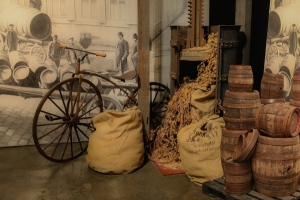
It is believed that alcoholic beverages originated in Prehistory, specifically during the Neolithic period when agriculture appeared and pottery was invented.
Did you know that...
- Alcoholic beverages emerged by chance during the Neolithic period in prehistory? (1,2)
- The regulation of wine trade became more consistent starting in the Middle Ages? (3,4)
- Proletarian Russian women in the early 20th century would put distilled liquor on pacifiers to soothe their children? (5)
- In 18th century England, gin was known as the drink of choice for women? (6)
- Despite the long-standing criticism of alcohol abuse throughout human history, the concept of alcoholism only emerged in the late 18th and early 19th centuries? (7)
When it all began...
Alcoholic beverages are believed to have originated in Prehistory, specifically during the Neolithic period, when agriculture and pottery emerged. Through a process of natural fermentation that occurred about 10,000 years ago, humans began to consume alcohol and ascribe different meanings to its use. The Celts, Greeks, Romans, Egyptians, and Babylonians recorded in some form the consumption and production of alcoholic beverages. (1,2)
Noah's Drunkenness
In na episode from the Bible´s Old Testament (Genesis 9:21), Noah, after the flood, planted a vineyard and made wine. He consumed the beverage to the point of becoming drunk. The Bible states that Noah shouted, took off his clothes, and passed out. Moments later, his son Ham found him "uncovered in his nakedness." This is the first known account of drunkenness. The famous Renaissance painter Michelangelo (1475-1564) was inspired by this episode to create a beautiful fresco, titled after it, on the ceiling of the Sistine Chapel in the Vatican. Thus, it is evident that not only the use of alcohol but also drunkenness has been present among humanity since its beginnings.
Alcohol Throughout History
Greece and Rome
The soil and climate in Greece and Rome were especially rich for grape cultivation and wine production. The Greeks and Romans also knew the fermentation of honey and barley, but wine was the most widespread beverage in both empires, holding social, religious, and medicinal importance. (1,8)
In Ancient Greece, the playwright Euripides (484 BC - 406 BC) mentions in the Bacchae two deities of great significance to humans: Demeter, the goddess of agriculture who provides solid food for nourishment, and Dionysus, the God of wine and festivity (Bacchus for the Romans). Despite wine playing an active role in Greco-Roman social and religious celebrations, alcohol abuse and drunkenness were already severely censured by both peoples. (1)
Ancient Egypt
The Egyptians documented the stages of beer and wine production, manufacturing, and trade in papyrus. They also believed that fermented beverages eliminated germs and parasites and should be used as medicine, especially in the fight against parasites from the waters of the Nile. (1,2)
Middle Ages
The commercialization of wine and beer grew during this period, as did its regulation. Alcohol intoxication (drunkenness) ceased to be merely condemned by the church and began to be considered a sin by this institution. (4)
Modern Age
During the Renaissance, oversight of cabarets and taverns began, with operating hours established for these places. Cabarets and taverns were seen as venues where people could express themselves freely, and the use of alcohol was part of political debates that would later trigger the French Revolution. (4)
Contemporary Age
The late 18th century and the onset of the Industrial Revolution were accompanied by demographic and behavioral changes in Europe. It was during this period that excessive drinking began to be viewed by some as a disease or disorder (7). In the early to mid-19th century, some scholars began to discuss the differences between distilled and fermented beverages, especially wine. Consequently, finding no harmful germs in wine, French scientist Louis Pasteur declared in 1865 that "this is the most hygienic of beverages." (9)
During the 20th century, countries like France established the legal drinking age at 18, and in January 1920, the United States enacted Prohibition, which lasted almost 12 years. Prohibition banned the manufacture, sale, barter, transport, importation, exportation, distribution, possession, and consumption of alcoholic beverages and was considered by many a disaster for public health and the American economy, as it created an illegal market for alcohol and consequently increased violence and crime in the country. (11)
It was in 1952, with the first edition of the DSM-I (Diagnostic and Statistical Manual of Mental Disorders), that alcoholism began to be treated as a disease. (7, 10)
In 1967, the concept of alcoholism as a disease was incorporated by the World Health Organization into the International Classification of Diseases (ICD-8), following the 8th World Health Conference. In the ICD-8, problems related to alcohol use were placed within a broader category of personality disorders and neuroses. These issues were divided into three categories: dependence, episodes of excessive drinking (abuse), and habitual excessive drinking. Alcohol dependence was characterized by compulsive use of alcoholic beverages and the manifestation of withdrawal symptoms after cessation of alcohol use. (14)
In modern times, starting in January 2022, the ICD-11 came into effect, bringing important updates to the general guidelines of the document, including specific updates on alcohol use disorders (15), which are:
- Greater specification of different patterns of harmful alcohol consumption, which can be continuous, episodic, and recurrent;
- A new diagnostic subcategory for single episodes of harmful consumption;
- The introduction of harmful alcohol consumption as a life risk factor;
In addition to other more technical nuances regarding the categorization of certain disorders, such as neurocognitive disorders related to alcohol use (15).
References:
1.Viala-Artigues, J. & Mechetti,C. (2003). Histoire de l´alcool archéologie partie 1.
2. McGovern, Patrick E. The Origins and Ancient History of Wine. (http://www.museum.upenn.edu/new/exhibits/online_exhibits/wine/wineintro.html).
3. Liappas,J.A., Lascaratos, J., Fafouti, S., Christodoulou, G.N., (2003). Alexander the Great´s relationship with alcohol. Addiction. 98. 561-567.
4. Viala-Artigues, J. & Mechetti,C. (2003). Histoire de l´alcool archéologie partie 2.
5. Phillips, L. (1999). In defense of their families: Working-Class Women, Alcohol, and Politics in Revolutionary Russia. Journal of Women´s History. Vol. 11. 97-120.
6. Warner,J. & Ivis, F. (2000). Centre for Addiction and Mental Health, Toronto. Eighteen-Century Life. 24. 85-105
7. Jerome, H.J. (1993). The concept of dependence: Historical Reflections. Alcohol Health and Research World. 17. 188-190.
8. Purcell, N. (2003). Diet, Community, And History At Rome. American Journal of Philology. 124. 329-358
(http://www.press.jhu.edu/journals/american_journal_of_philology/)
9. Viala-Artigues, J. & Mechetti,C. (2003). Histoire de l´alcool les temps modernes partie 1
10. Viala-Artigues, J. & Mechetti,C. (2003). Histoire de l´alcool les temps modernes partie 2
11. History of Alcohol. Alcohol and Tobacco Tax and Trade Bureau. US Department of Treasure
12.Lexicon of alcohol and drug terms – Organização Mundial de Saúde (OMS), 1994.
13.The natural history of alcoholism - George E. Vaillant. Harvard University Press, 1983.
14. Diagnostic Criteria for Alcohol Abuse and Dependence – National Institute on Alcohol Abuse and Alcoholism (NIAAA) - Alcohol Alert, No 30, 1995 (http://pubs.niaaa.nih.gov/publications/aa30.htm)
How Harmful Alcohol Use Affects Your Work Relationships
Alcohol is linked to absenteeism and presenteeism in the workplace, new studies show.
Intuitively, alcohol and work are two things that don’t mix. Alcohol is a central nervous system depressant and can impact work performance in various ways, including absences, accidents, disputes and fights, dismissals, among other types of productivity and income loss. However, the real extent of the impact of harmful alcohol use on work and the economy has been continuously studied, and new research reiterates the dangers of this combination (1-3). It is known that rates of excessive alcohol consumption can be higher in certain sectors, such as construction and arts and entertainment, and among specific groups, such as workers nearing retirement and younger individuals (4). Some people may also mistakenly use alcohol as a resource to cope with work-related stress. For context, the International Labour Organization (ILO) indicates that 20% to 25% of workplace accidents worldwide involve individuals under the influence of some type of drug, and that 3% to 5% of the working population has alcohol dependence while 25% are at-risk users (5).
Alcohol consumption at work facilitates the occurrence of accidents, likely due to the impairments it causes in coordination and balance, increased reaction time, judgment alterations, decreased visual acuity and field of vision, as well as reduced concentration and reasoning abilities (6).
In addition to these direct aspects, alcohol consumption affects work through increased absenteeism rates, which include absences or lateness without prior justification. A recent literature review indicates that heavy drinkers have higher rates of absenteeism than moderate drinkers, who in turn have higher rates than non-drinkers (3). A recent U.S. study analyzing data from the national survey on drug use and health between 2015 and 2019 found that individuals with alcohol use disorders contributed annually to over 232 million days of absenteeism combined.
Another study sought to analyze the relationship between alcohol and absenteeism using data from 15 countries, encompassing 439,000 employed individuals. The study reports that cross-sectional surveys [*1] indicate an 8 times greater risk of absenteeism in individuals who consume alcohol at risky levels.
The research underscores the need for informational campaigns, prevention, and treatment of alcohol-related disorders in the workplace. Programs aimed at preventing and reducing harmful alcohol use in the workplace can benefit employees, employers, and society as a whole. Some studies show promising results from programs focused on changing workplace culture, general health promotion, and brief interventions (4).
Finally, it is important to emphasize that harmful alcohol use, besides worsening work performance, can make it even more difficult to cope with issues like stress, pressure, and anxiety, which are so common in contemporary work environments. Therefore, if you feel you are using alcohol to cope with any problems, seek specialized help from a healthcare professional. For employers, if you notice that employees are engaging in harmful alcohol use, it is important to consider programs that offer information and assistance to prevent the negative outcomes associated with alcohol and work.
*1 Research conducted at a single moment, representing a “snapshot” of the studied aspects, in contrast to longitudinal studies, which collect data over several distinct time periods.
References:
Is There a Relationship Between Alcohol Abuse and Gambling?
Drinking and gambling are activities that are often connected, but they also have links in brain regions that can lead to risky behaviors and, consequently, serious mental health problems.
Alcohol consumption and involvement in gambling are constantly intertwined, especially in entertainment contexts like casinos, bars, sports events, and social gatherings. However, these risky behaviors can lead to significant mental health issues.
The DSM-5 (Diagnostic and Statistical Manual of Mental Disorders – 5th Edition) (1) mentions compulsive gambling (or pathological gambling) as a mental disorder and points to a connection with substance use and compulsive behaviors. Frequently, gambling disorder is related to alcohol abuse, as players under the influence of alcohol may engage more in gambling, spend money carelessly, and consequently develop this problematic behavior (2).
This occurs because the brains of compulsive gamblers and individuals who abuse alcohol are affected by changes in specific brain circuits involving processes in the reward system, impulse control, decision-making, and emotional regulation (2).
A review study (3) showed that the activation of brain areas related to memory, reward, and executive functions may be the underlying mechanism for this behavior. Specifically, the brain regions of the nucleus accumbens and striatum (ventral and dorsal), parahippocampal regions, amygdala, and various areas of the prefrontal cortex appeared more active in individuals exposed to gambling (3) . Additionally, the insula may play a crucial role in connecting these three systems in a highly integrated neural network with various implications for the modulation of reward processing, associative learning, and attentional regulation that seemingly "enhance" addiction-related signals. These findings are consistent with previous discoveries related to substance use such as alcohol, tobacco, marijuana, or cocaine (3) .
Thus, in the brains of compulsive gamblers who engage in alcohol abuse, there is a complex interaction between the intense desire for immediate reward, the inability to inhibit risky behaviors, and increased sensitivity to stress and environmental factors. By gambling and drinking, these individuals experience immediate pleasure at the cost of long-term negative consequences.
Drinking and gambling are mutually connected activities, and the comorbidity of alcoholism and pathological gambling has been more the rule than the exception (2). Besides the fact that one disorder may precede the other, and vice versa, they also share genetic vulnerability and risk factors (2).
The comorbidity of alcoholism and compulsive gambling is a clinical and social problem. However, this issue is stigmatized and often accompanied by a lack of cooperation from the individual suffering from it regarding treatment, making it challenging. Therefore, more research should be conducted to find appropriate treatments for these patients. Dysregulation of the reward and inhibitory control brain systems can result in a vicious cycle that is difficult to break without proper intervention.
Scientific evidence shows that alcohol and pathological gambling share common neurobiological mechanisms, reinforcing the importance of integrated preventive and therapeutic approaches. Prevention should focus on educating the population about the risks associated with these behaviors, especially in vulnerable groups. Regarding treatment, the combination of psychological therapies, such as cognitive-behavioral therapy (4), with pharmacological (5) and social support approaches shows promise. Furthermore, demystifying and reducing the stigma associated with these disorders are crucial for encouraging help-seeking and facilitating access to health services.
References:
Referências:
Quality of Sleep in Children Influences Alcohol and Marijuana Use in Adolescence
Sleep deprivation in childhood can harm the neurological development of a child's brain (1).
Sleep is an essential biological process at all stages of life. During childhood, a significant amount of time is dedicated to sleep, which is crucial for proper physical development, strengthening the body's natural defenses against illness, and promoting overall quality of life and well-being (2). According to the Brazilian Sleep Association (BSA), good sleep is important at any age as it positively affects daily behavior, increasing concentration, memory, and learning abilities.
The pattern and amount of sleep needed vary according to the child's age. According to the BSA, infants aged 4 to 12 months need 12 to 16 hours of sleep per day. Children aged 1 to 2 years should sleep between 11 and 14 hours, while those aged 3 to 5 require 10 to 13 hours of sleep. For children aged 6 to 12 years, the recommendation is to sleep 9 to 12 hours per night. Unfortunately, sleep insufficiency is prevalent among children and adolescents, and the consequences are related to reduced development of the prefrontal cortex, which can impair decision-making skills (3,4,5).
One study showed that sleep loss in children is also associated with increased activation of the brain's reward centers, disproportionately increasing motivation for unhealthy behaviors, such as alcohol and marijuana use (6). Adolescent alcohol use has been linked to deficits in executive function, visuospatial function, short- and long-term memory, and working memory—consequences that can have significant implications for future life.
Although there is a lack of studies comparing the effects of childhood sleep at different developmental stages within the same sample of children, a recent study analyzed how sleep during weekdays in childhood can influence substance use in adolescence (7). The results showed that children who go to bed later during the week are more likely to use substances by age 15, while shorter sleep duration in late childhood was specifically associated with an increased risk of marijuana use in adolescence.
In light of this, it is essential to promote healthy sleep habits from childhood to prevent negative consequences in adolescence, including alcohol use, other psychoactive substances, and cognitive difficulties. Investing in education about the importance of sleep and creating appropriate routines can help ensure the healthy development of children, reducing the risks of future problems associated with insufficient sleep.
References:
Alcohol Consumption and Colorectal Cancer: Evidence and Prevention
Colorectal cancer (CRC) ranks as the third most common type of cancer and is the second leading cause of cancer deaths globally. A sedentary lifestyle, obesity, metabolic syndrome, and alcohol consumption can be factors that increase the risk of early-onset CRC (1).
Alcohol consumption, even in small amounts, has been linked to an increased risk of colorectal cancer (CRC). The relationship between alcohol intake and CRC risk depends on the dose consumed. The risk of CRC is particularly evident in cases of heavy alcohol consumption, although evidence regarding the risk associated with light to moderate consumption is varied (2).
Several mechanisms link alcohol consumption to the development of cancers in general, with genotoxicity being one of the most scientifically understood factors. In this process, acetaldehyde, a byproduct of alcohol metabolism, causes DNA damage, such as breaks and alterations in its structure. These changes can result in errors during DNA replication, leading to mutations. Over time, the accumulation of these mutations may culminate in the development of cancer (3).
In addition to alcohol consumption itself, other alcohol-related factors may influence the risk of colorectal cancer (CRC). A family history of the disease is one such factor, with the risk of CRC being significantly higher in individuals with a family history of cancer (4). Gender also appears to have an impact, with men tending to have a higher risk of developing alcohol-associated CRC compared to women. Body mass index (BMI) and body weight may also interact with alcohol, increasing the risk of CRC, especially in obese individuals (5). Although smoking is an established risk factor for CRC, there is no conclusive evidence that it modifies the alcohol-induced CRC risk (6).
In light of the evidence, it is crucial to raise awareness about the risks of alcohol consumption in relation to colorectal cancer. Although various factors can influence this risk, alcohol consumption alone is a significant modifiable risk factor. Prevention strategies, including moderating alcohol consumption and adopting healthy lifestyle habits, are essential to reduce the incidence of CRC. Continued research is also necessary to better understand the mechanisms by which alcohol contributes to the development of CRC.
References:
Research conducted by the Brazilian Consumer Protection Association (Proteste) revealed surprising findings of alcohol levels exceeding legal limits in sliced breads. What does this mean for your health?
Recently, an analysis by the Brazilian Consumer Protection Association – Proteste, alarmed (and concerned) Brazilian consumers by disclosing that major brands of sliced bread in the country had alcohol levels above the permissible limit. The study, which examined 10 brands of sliced bread, found that only 4 brands had alcohol content below 0.5%, the percentage threshold to consider a product non-alcoholic.
According to Proteste, which did not disclose the details of the study's methodology, fermentation and preservatives are responsible for the alcohol in sliced bread, and a large portion of this alcohol should evaporate during the manufacturing process. The analysis raised significant concern among consumers, as some brands had alcohol levels similar to those in a 350 mL can of beer (between 2.5% and 5%).
How Does Alcohol Arise in the Production of Sliced Bread?
The ethanol present in sliced bread is not added directly as an ingredient. Instead, it forms naturally in the bread due to the fermentation process involved in the dough's rise. This occurs through fermentation with yeast – microorganisms used to leaven the bread, which consume the sugars in the dough and produce carbon dioxide (CO2) and ethanol as byproducts. The CO2 causes the dough to rise while most of the ethanol evaporates or may remain in the bread after baking. Typically, the amount of ethanol in the bread fermentation process is very low and within safe consumption limits (1).
Ethanol is also used in the preservation of sliced bread due to its antimicrobial properties (2.3). It helps prevent mold and bacteria growth, thereby extending the product's shelf life without significantly affecting the bread's flavor or texture. Ethanol is often applied as a vapor or as part of the packaging system that releases ethanol over time. However, most of the ethanol usually evaporates, leaving minimal residues in the final product (2,3).
Products classified as non-alcoholic, such as sliced bread, must not exceed the 0.5% alcohol limit set by law, even if they use additives or ingredients containing alcohol. To ensure this, industries must maintain strict quality control over their products. A product with alcohol content exceeding the legal limit may pose a risk to certain individuals, such as children, pregnant women, and people with specific health conditions like liver problems.
In response, the Brazilian Association of Biscuit, Pasta, and Industrialized Bread & Cake Industries (Abimapi) questioned the validity of Proteste's test, criticizing the methodology used and other factors that could compromise its validity, reiterating that the products are safe for consumption.
What Are the Health Impacts of Ethanol in Foods?
Several factors regarding ethanol content in sliced bread and other foods should be considered:
Breathalyzer Test
Another concern mentioned by Proteste is the possibility that drivers could be accused of intoxication on a breathalyzer test after consuming at least 2 slices of sliced bread from some of the tested brands. However, Proteste did not conduct tests to measure blood alcohol concentration in drivers.
It is possible for a breathalyzer to give a positive (false-positive) result after eating sliced bread, as well as after consuming other products with small amounts of alcohol, such as mouthwashes or liqueur chocolates. However, due to the volatile nature of alcohol, residual alcohol is quickly eliminated within minutes. If this occurs, it is recommended to inform the traffic officer about the consumption of the product and request a retest.
It is worth noting that the breathalyzer is a device used to measure blood alcohol concentration by analyzing the air exhaled from the lungs. When someone "blows" into the breathalyzer, the device estimates the amount of alcohol in the body based on the concentration of alcohol in the exhaled air.
The Importance of Quality Control
Regular consumption of foods with residual alcohol does not have a negative impact on health for most people. However, consumers have the right to choose to avoid foods with any amount of alcohol, even if residual. Official oversight by agencies such as Anvisa and the Ministry of Agriculture, as well as quality control by qualified laboratories during production, are crucial to ensure that products not meeting legal standards do not
compromise consumer safety.
References:
The precariousness of the work environment is a social determinant of health; research shows that being employed in an unstable manner in early adulthood is associated with an increased risk of mental health problems and higher alcohol consumption (1).
The rise of non-standard forms of work has blurred the boundaries between being employed and unemployed. Jobs without formal contracts tend to be less secure and often come with fewer benefits compared to more traditional forms of employment, such as permanent labor contracts, commonly known in Brazil as CLT (Consolidação das Leis do Trabalho, or Consolidation of Labor Laws). Disadvantages may include lack of contractual security (e.g., temporary employment), low wages, economic difficulties, limited social protection, and reduced workplace rights.
The "emerging adulthood" phase is a particular stage of life that describes the transition from youth to the workforce, which can be considered a challenging and delicate period (2). Young adults, aged between 15 and 29, entering the job market after completing their studies face particular vulnerability due to a lack of professional experience, job opportunities, and social protection in cases of unemployment. Additionally, there is evidence that difficulty in establishing oneself in the job market can result in long-term negative health effects (3).
A Swedish study aimed to analyze whether freelance (self-employed) or informal contract work during early adulthood is related to an increased risk of developing alcohol-related health problems in the long term, such as alcohol-related liver disease, alcohol use disorder, and intoxication. To conduct this analysis, data from national registers in Sweden were used, tracking a large population of young adults over 28 years. The results of this study suggest that being employed as a freelancer or in informal work during "emerging adulthood" is associated with an increased risk of alcohol-related morbidity later in life, especially among young men, but also among young women (4). The reasons for this increased risk may be related to using alcohol as a coping strategy for stress, and this habit may persist when these individuals transition to more stable jobs with greater benefits.
It is important to highlight that in a context where flexible employment forms are becoming increasingly common, understanding the implications of employment type on the health of young people is crucial. Evidence suggests that, in addition to economic effects, this form of work may have significant consequences for mental and physical health. Therefore, it is essential that public policies and interventions are directed not only towards improving working conditions but also towards providing adequate support to these young individuals, preventing future alcohol-related health issues.
References:
Effects of Reducing or Ceasing Alcohol Consumption on Cancer Risk
In 2020, it was estimated that 741,300 new cancer cases worldwide were caused by alcohol consumption. This represents 4.1% of all new cancer cases, with 6.1% among men and 2.0% among women (1).
An independent group of international experts convened by the International Agency for Research on Cancer (IARC) reviewed the existing literature to assess the effectiveness of reducing or stopping alcohol consumption in decreasing the risk of alcohol-related cancers, such as cancers of the oral cavity, pharynx, larynx, esophagus, colorectal area, liver, and female breast. Additionally, the group identified and evaluated the mechanisms of alcohol-induced carcinogenesis that may be reversed with cessation of consumption (2).
The IARC classifies alcoholic beverages, ethanol in these beverages, and acetaldehyde associated with alcohol consumption as carcinogens for humans. In addition to ethanol and acetaldehyde, alcoholic beverages may contain various toxins derived from raw materials used or that may arise during the production process.
There are several mechanisms linking alcohol to cancer, one of the most well-understood scientifically being genotoxicity, where acetaldehyde causes damage to our DNA, such as breaks and structural changes. These alterations can lead to errors in DNA replication, resulting in mutations. Over time, these mutations can accumulate and lead to cancer development, especially in parts of the body that come into direct contact with alcohol, such as the mouth, throat, and esophagus (2).
An important measure used is the Population Attributable Fraction (PAF), which helps understand how many cancer cases can be attributed to alcohol consumption in a population. To calculate PAF, researchers use data on: how much people drink; the cancer risk associated with alcohol; how many cancer cases exist. However, there are limitations, such as incomplete data, underreporting of alcohol consumption, other factors affecting the data (like smoking), and population differences. Despite these limitations, PAF is useful for understanding and preventing alcohol-related cancers.
CISA, in its annual report “Alcohol and Brazilian Health,” uses these fractions to calculate the burden of alcoholic beverages on the Brazilian population. To learn more, download the report for free on our website.
According to the study conducted by the IARC, reducing or ceasing alcohol consumption is associated with a lower risk of oral and esophageal cancers, with sufficient evidence to support this conclusion. There is limited evidence suggesting a reduction in the risk of laryngeal, colorectal, and breast cancers with the cessation of alcohol consumption. However, there is inadequate evidence to indicate that reducing or ceasing alcohol consumption lowers the risk of pharyngeal and liver cancers. Overall, researchers conclude that stopping alcohol consumption may be beneficial for reducing the risks of certain types of cancer, but the strength of the evidence varies among different cancer types.
References:
Is it possible to treat a hangover?
Scientists develop gel that can intercept alcohol and prevent hangovers.
A hangover is a combination of mental and physical symptoms that can be experienced after an episode of alcohol consumption, beginning when the blood alcohol concentration (BAC) approaches zero. The cause of these symptoms is primarily attributed to acetaldehyde, the main product of alcohol metabolism (1).
Existing therapies, mainly based on endogenous enzymes, offer only temporary relief from hangover symptoms such as nausea and headaches, but fail to address other issues like drowsiness and exhaustion (2). Nanocomplexes with various liver enzymes have emerged as an effective approach to accelerate alcohol metabolism in the human body (3). However, a major challenge is that commercially available enzymes are not sufficiently active, leading to the accumulation of a more dangerous byproduct, acetaldehyde, which can cause organ damage. Moreover, natural enzymes have significant drawbacks such as high cost, low physicochemical stability, and storage difficulties, which have so far hindered the practical use of these complexes for alcohol detoxification (4).
A recent study evaluated a biomimetic nanoenzyme substance designed to alleviate the harmful effects of alcohol when administered orally. This nanoenzyme demonstrates an ability to catalyze the oxidation of alcohol into acetic acid, rather than the more toxic acetaldehyde. When administered to alcohol-intoxicated mice, the gelatinous nanoenzyme significantly reduced blood alcohol levels without causing additional acetaldehyde accumulation. The hydrogel also showed a protective effect on the liver and reduced intestinal damage and dysbiosis (imbalance in the composition of intestinal microbiota) associated with chronic alcohol consumption.
This study offers promising opportunities for the development of effective, targeted antidotes for alcohol, with potential benefits for liver protection and gastrointestinal health, which could be favorable for hangover prevention. However, further research is needed to confirm these findings in humans and to develop new therapies that can be used practically and affordably. Continued investigations in this area are crucial to advance understanding and treatment of the adverse effects of alcohol consumption, providing better solutions for public health.
References:
Can alcohol cause premature aging?
A study conducted by the University of Nagoya in Japan shows an association between the harmful effects of aldehydes on DNA, which may be related to premature aging.
It is known that aging is a normal developmental process involving physiological changes (1). Additionally, the body is influenced by environmental and sociocultural factors such as quality of life, lifestyle, diet, sedentarism, and physical exercise, which are directly related to healthy or pathological aging (1).
In light of this, alcohol consumption has been cited as a factor that may be involved in the process of premature aging. A British study (2) aimed at investigating the effects of alcohol on aging showed that excessive alcohol consumption can damage DNA, specifically in telomeres – repetitive structures of proteins and DNA that form the ends of chromosomes and act to prevent genetic material wear and tear. According to the study, increased oxidative stress caused by excessive alcohol may directly contribute to the shortening of these DNA structures.
Similarly, a recent Japanese study published in the journal Nature Cell Biology (3) demonstrated how the harmful effects of aldehydes on DNA may also be associated with premature aging. But where does alcohol fit into this scenario?
After alcohol ingestion, ethanol is rapidly absorbed by our body. Alcohol metabolism begins with the action of the enzyme alcohol dehydrogenase (ADH), which converts alcohol into acetaldehyde, a substance that is toxic to the body even in small concentrations. Then, the enzyme aldehyde dehydrogenase (ALDH) converts acetaldehyde into acetate.
The study points out that aldehydes are genotoxic agents* because they interfere with DNA-protein replication and transcription, and such types of damage are particularly harmful since they can lead to cell death if not repaired. As a result, researchers suggest that aldehydes as metabolic by-products are associated with premature aging.
The research first identified a previously uncharacterized DNA repair pathway: transcription-coupled DNA-protein crosslink repair. As a result, the study showed that transcription-coupled DNA-protein repair, as well as aldehyde clearance, were crucial for protection against metabolic genotoxins. This could explain the molecular pathogenesis of AMeDS (aldehyde metabolic deficiency syndrome, characterized by bone marrow deficiency, intellectual deficiency and dwarfism) and other disorders associated with defects in transcription-coupled repair, such as Cockayne syndrome (rare, autosomal recessive disorder, with unknown pathogenesis and with impairment in growth and progressive neurological dysfunction).
According to researchers (4), this study has implications beyond genetic diseases, as its findings suggest that aldehyde-induced DNA damage may also play a role in the aging process in healthy individuals. They also mention the importance of strategies to combat aging in healthy individuals, such as controlling exposure to substances that induce aldehyde production, such as alcohol intake and exposure to pollution and smoke.
*Genotoxic agents are those that interact with DNA producing changes in its structure or function.
References:
3. Oka Y, Nakazawa Y, Shimada M, Ogi T. Endogenous aldehyde-induced DNA–protein crosslinks are resolved by transcription-coupled repair. Nature Cell Biology [Internet]. 2024 Apr 10;1–13. Available from: https://www.nature.com/articles/s41556-024-01401-2